GMFH 2026 – how to manipulate the gut Microbiome in clinical practice
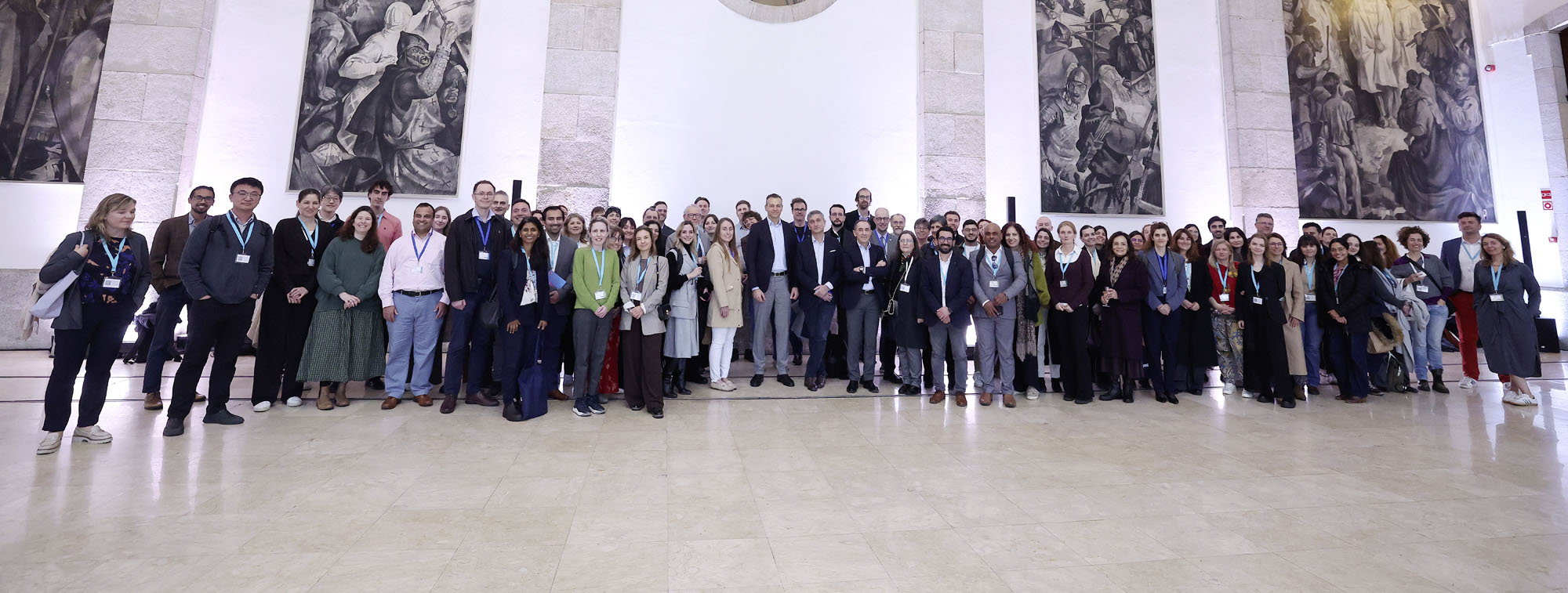
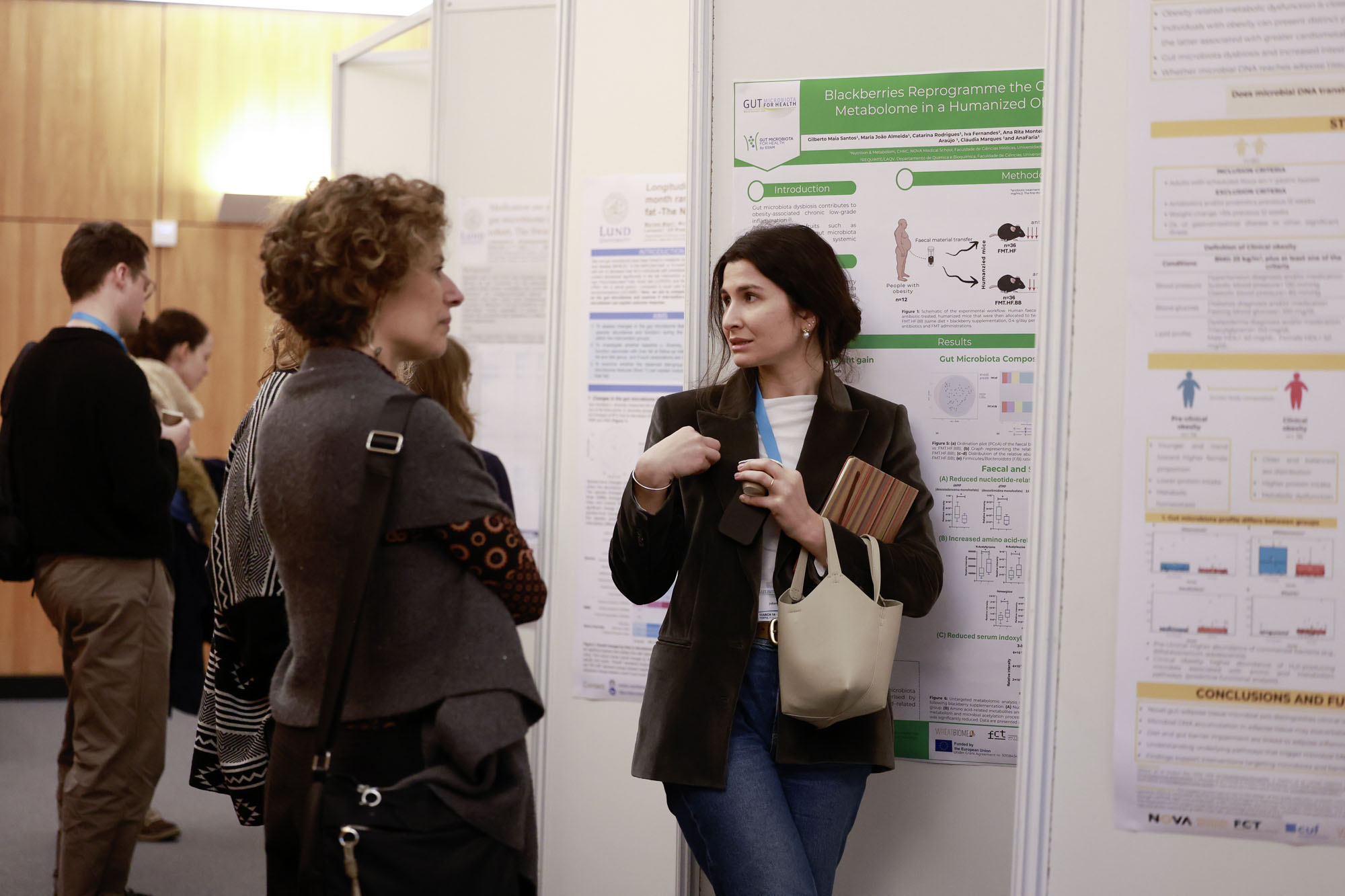
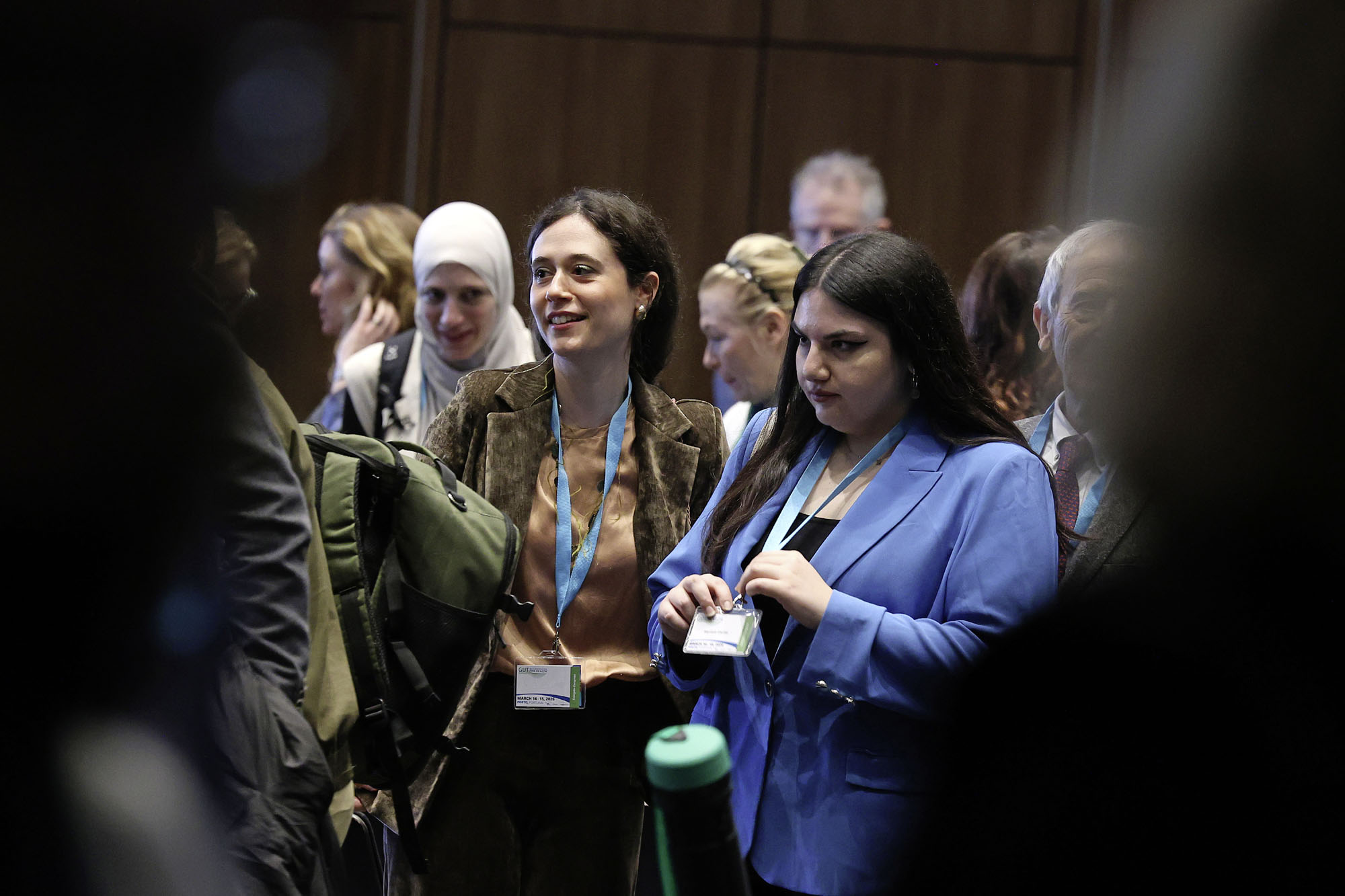
The Gut Microbiota for Health Summit 2026, held at the Alfândega Congress Centre in Porto, welcomed nearly 240 participants from 27 countries, highlighting its global significance and growing impact. Centered on the theme “Diet and Other Approaches to Modulate the Gut Microbiome in Clinical Practice”, the Summit offered a comprehensive, interdisciplinary scientific program featuring 25 leading experts from Europe and the USA.
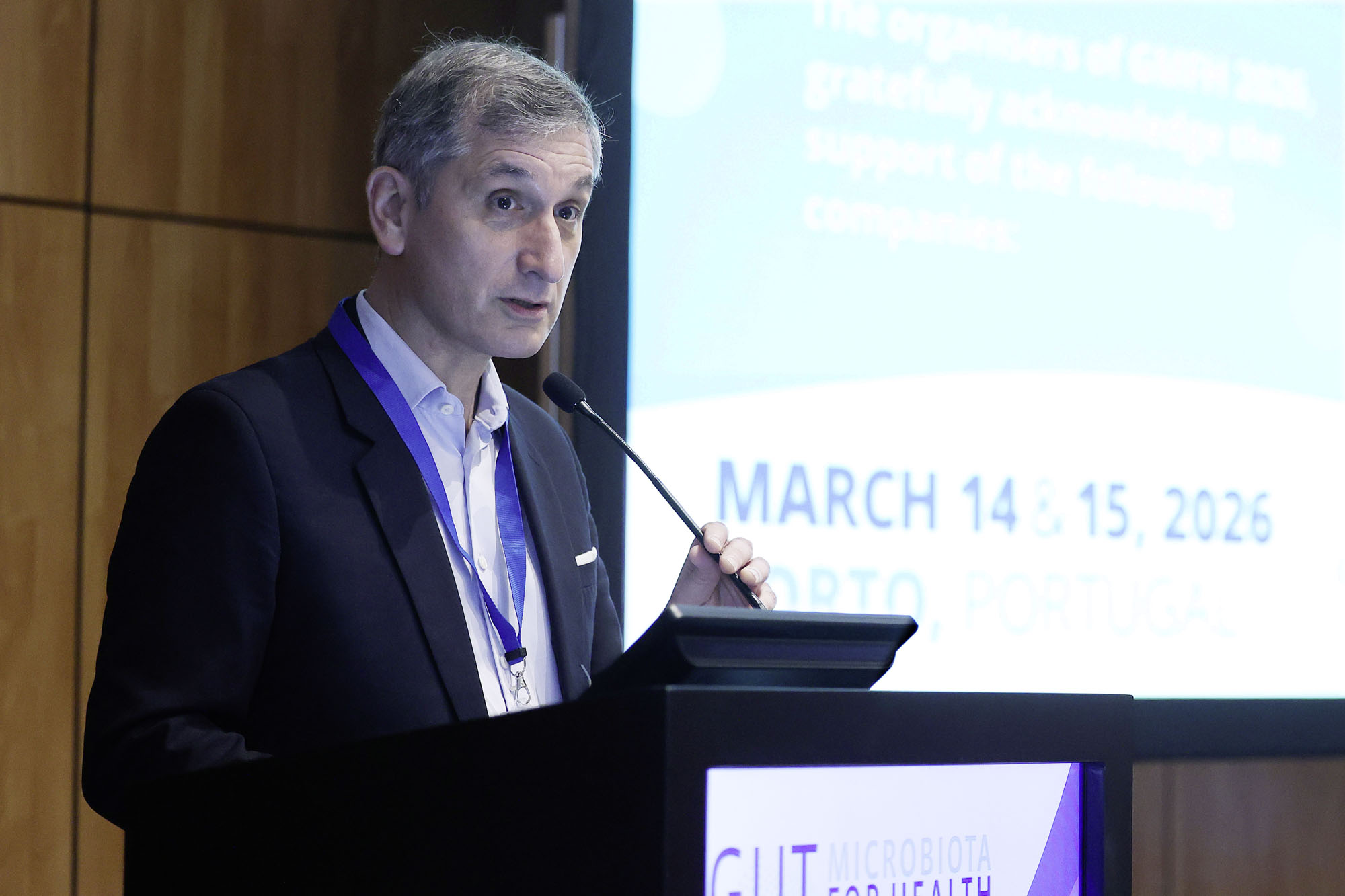
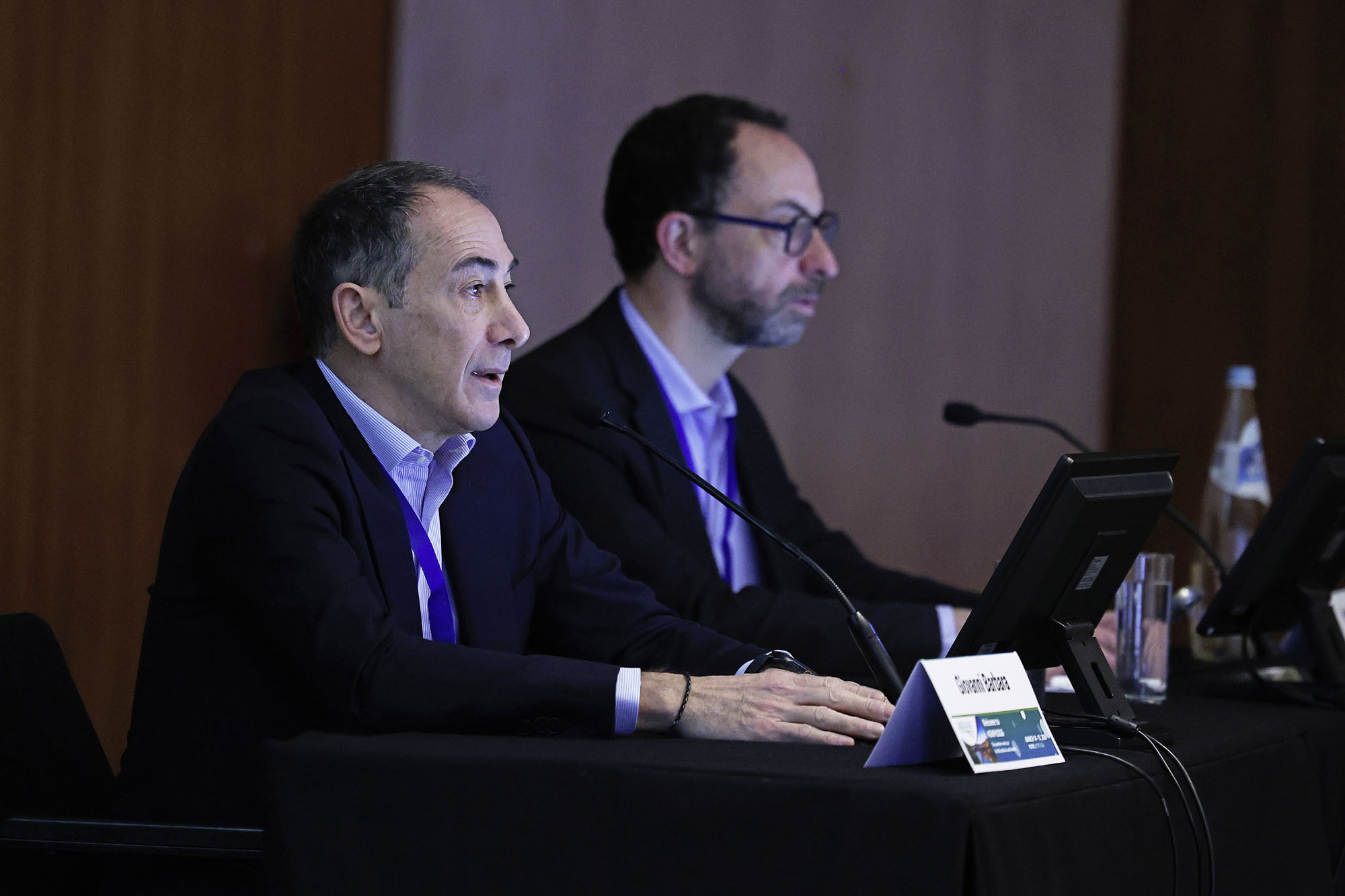

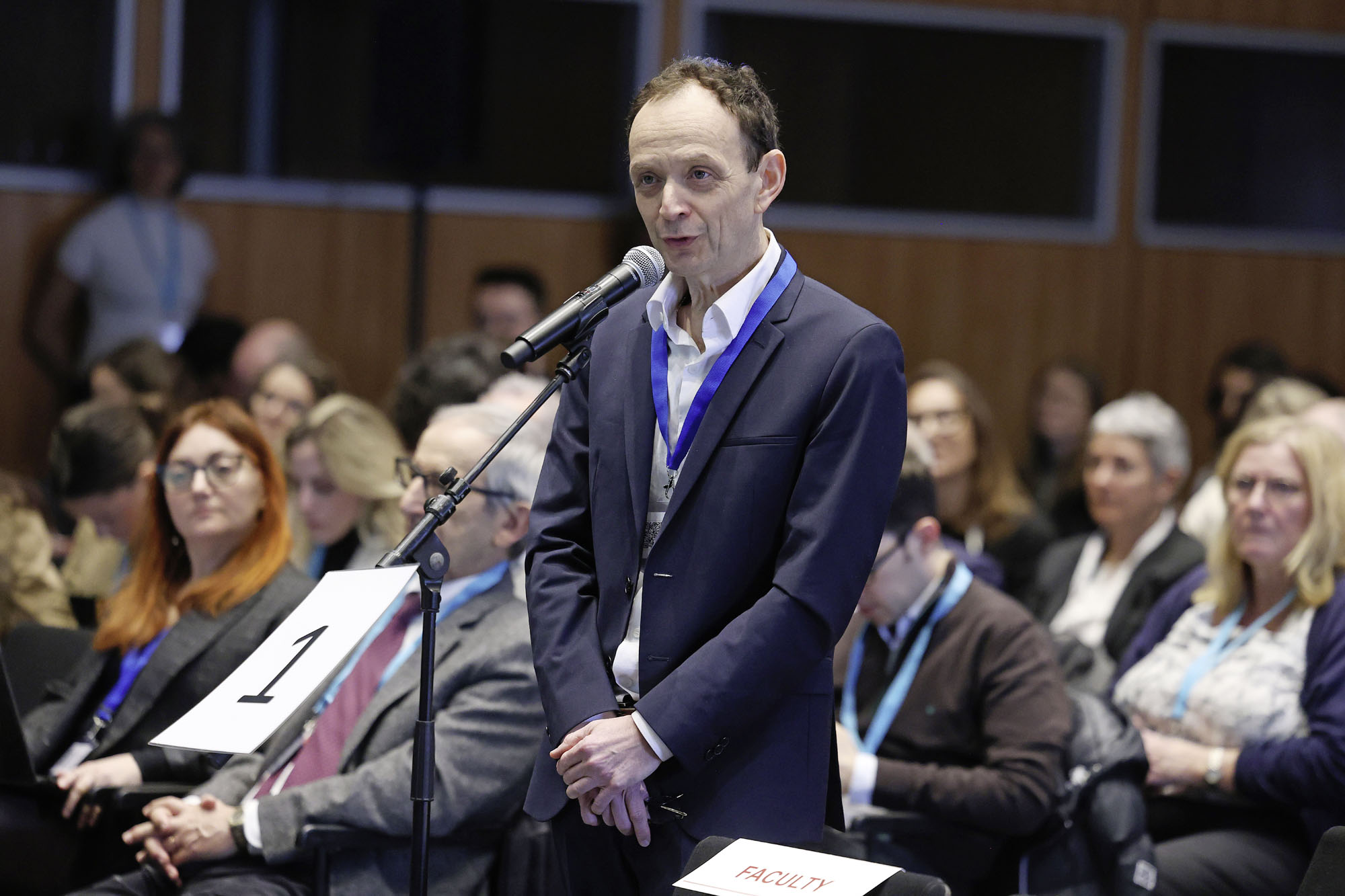
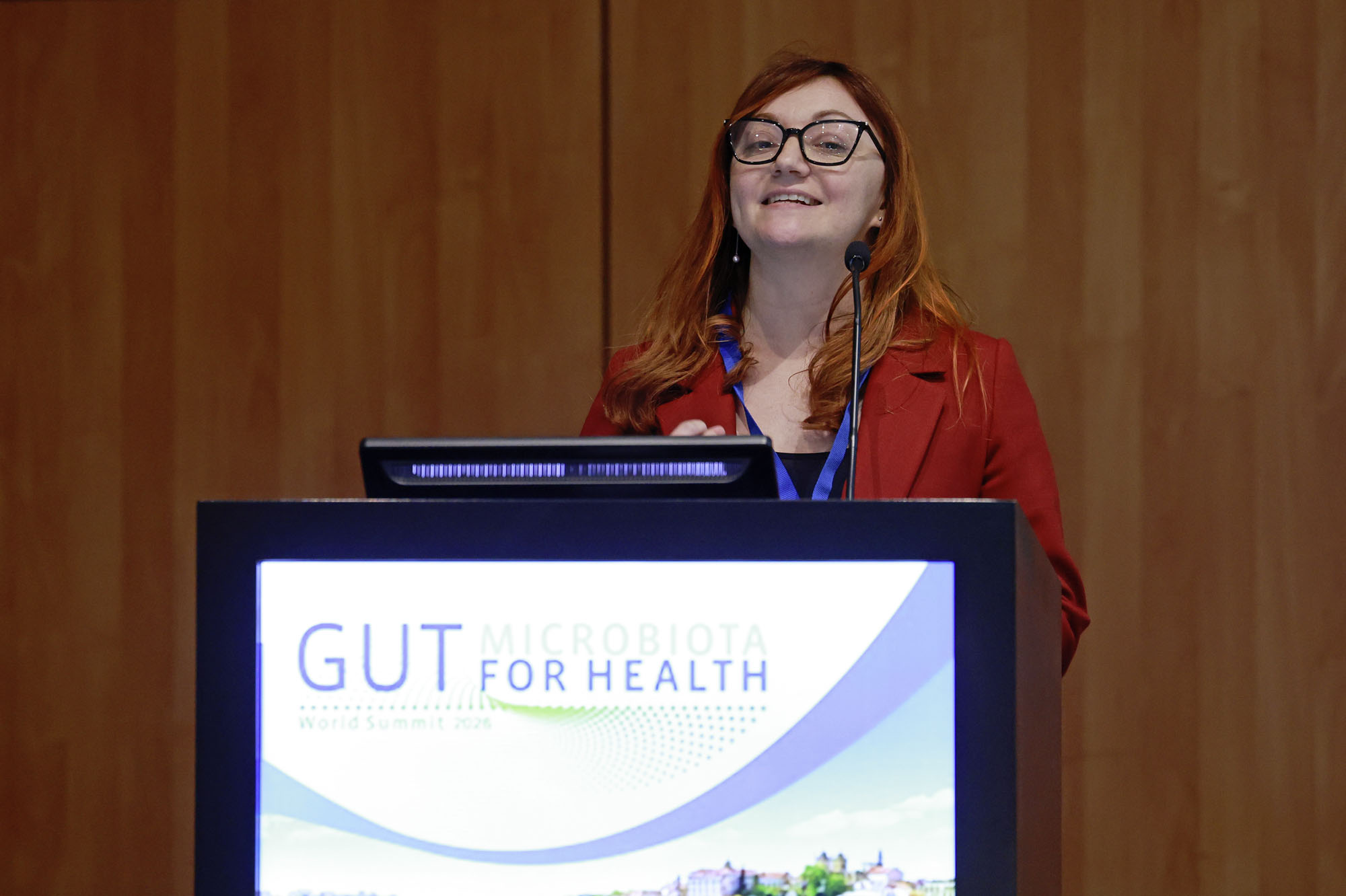
Through four plenary sessions and interactive workshops, the Summit addressed key areas including inflammatory bowel disease (IBD), irritable bowel syndrome (IBS), liver diseases, and cancer. A major focus was the dynamic interplay between diet and the gut microbiome, with sessions exploring how dietary components—such as ultra-processed foods, fibers, exclusion diets, and plant-based diets—modulate microbial composition and function. Presentations highlighted the potential of personalized nutrition strategies while emphasizing the context-dependent effects of dietary interventions. As Giovanni Barbara, Chair of the GMFH Section, noted:
“Through its Gut Microbiota Section, ESNM continues to advance the understanding and clinical application of microbiome science, with GMFH 2026 serving as a key platform for interdisciplinary exchange and translational research.”
New data presented at the Summit reinforced the connection between diet, gut microbiota, and cardiometabolic health, demonstrating that microbiome signatures can reflect dietary patterns and predict disease risk. These findings support the integration of microbiome-informed approaches into preventive and therapeutic strategies. Interactive workshops translated scientific evidence into practical, patient-centered guidance, addressing real-world challenges such as patient adherence, individual variability, and the role of diet as both a preventive and therapeutic tool.
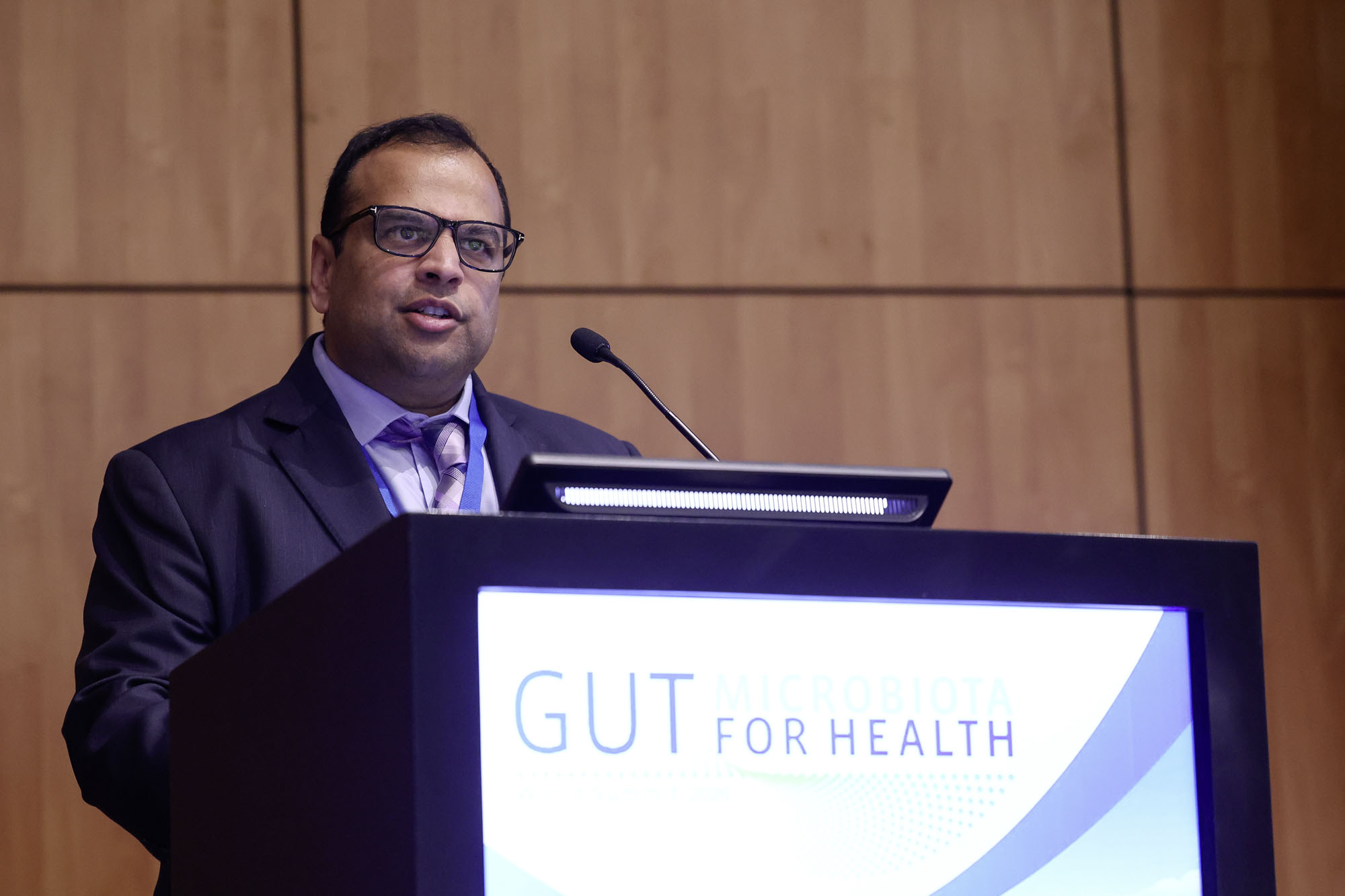
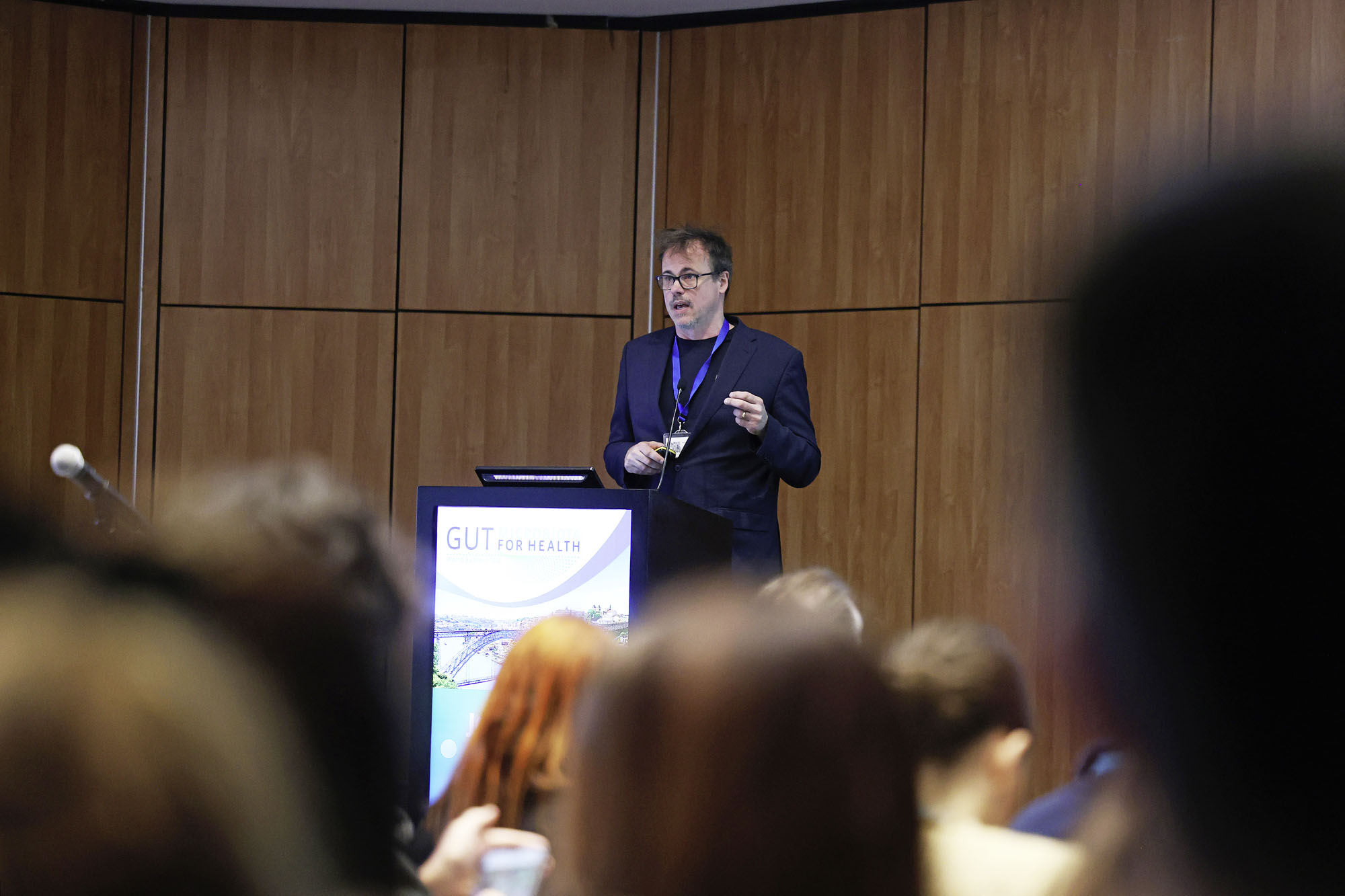


Significant attention was also given to microbiome-targeted therapies, reflecting the field’s rapid transition toward clinical application. Advances in live biotherapeutic products, targeted dietary interventions, and faecal microbiota transplantation (FMT) were presented, highlighting their potential across gastrointestinal diseases and beyond. Discussions emphasized not only efficacy but also safety, regulatory considerations, and implementation in clinical practice. As Harry Sokol stated:
“What stands out is the growing evidence that modulating the microbiome—through diet, targeted therapies, or FMT—can significantly impact patient outcomes, even in complex conditions such as cancer. This opens new perspectives for precision medicine and interdisciplinary care.”
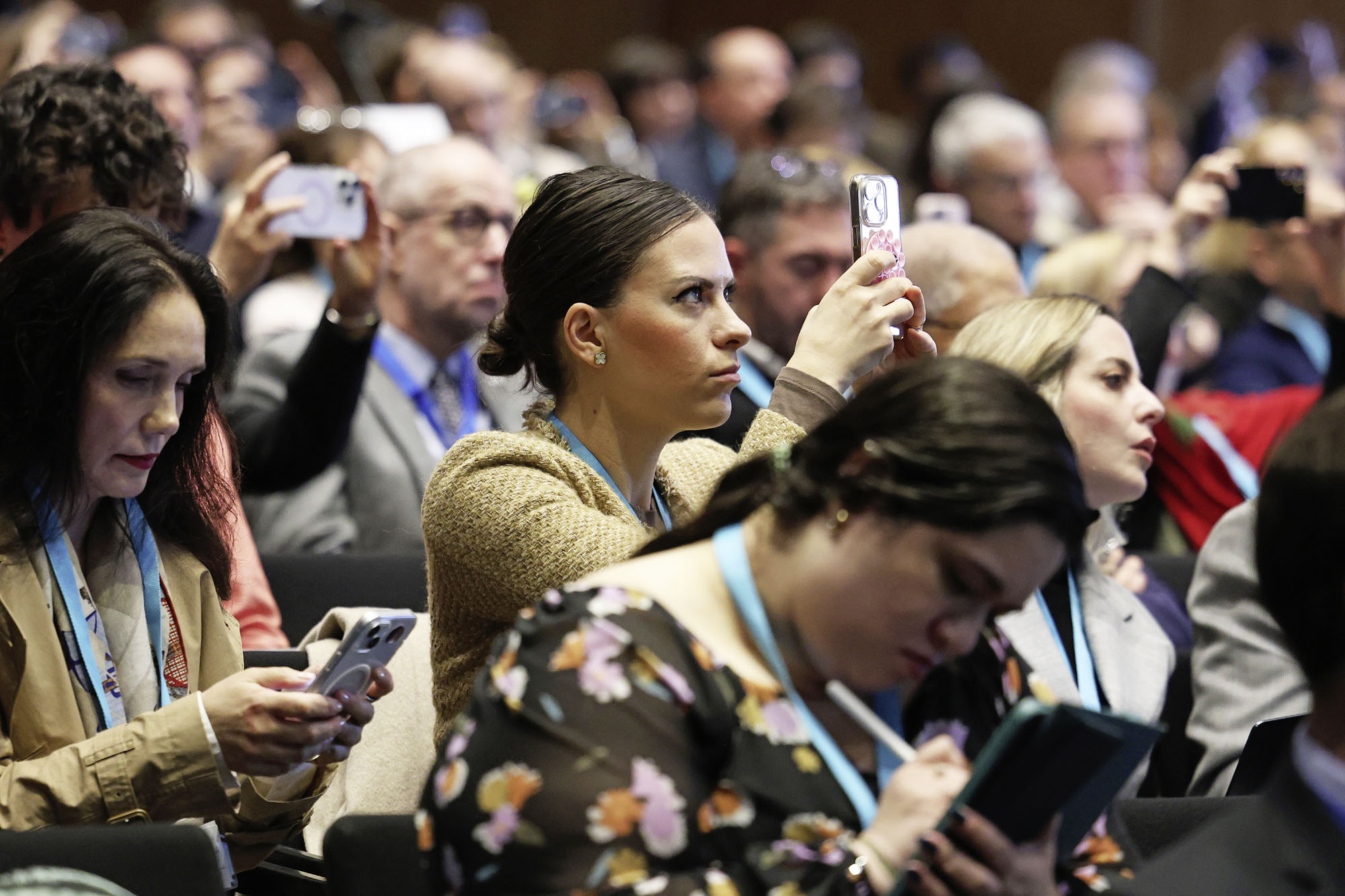
A particularly forward-looking segment of the program explored the role of the microbiome in cancer therapy, demonstrating how modulation of the gut microbiota may enhance responses to immune checkpoint inhibitors. Strategies such as FMT and microbiome-based therapeutics were highlighted as promising adjuncts in oncology, underscoring the microbiome’s potential as a target in precision medicine. Despite challenging weather, the Summit maintained a vibrant, collaborative atmosphere, fostering robust interaction between clinicians and researchers and reinforcing the importance of translating microbiome science into clinical practice.
Overall, GMFH 2026 delivered a highly interdisciplinary program for a diverse audience, including microbiome scientists, physicians, nutritionists, and dietitians. By bridging fundamental research with clinical application, the Summit reaffirmed its position as a leading platform for advancing microbiome science and fostering global collaboration.
The next edition of the Gut Microbiota for Health Summit will take place in Bordeaux in 2028, continuing to unite the international microbiome community to advance research and clinical practice.